How Do “We Buy Houses” Companies Work — and Are They Legit?

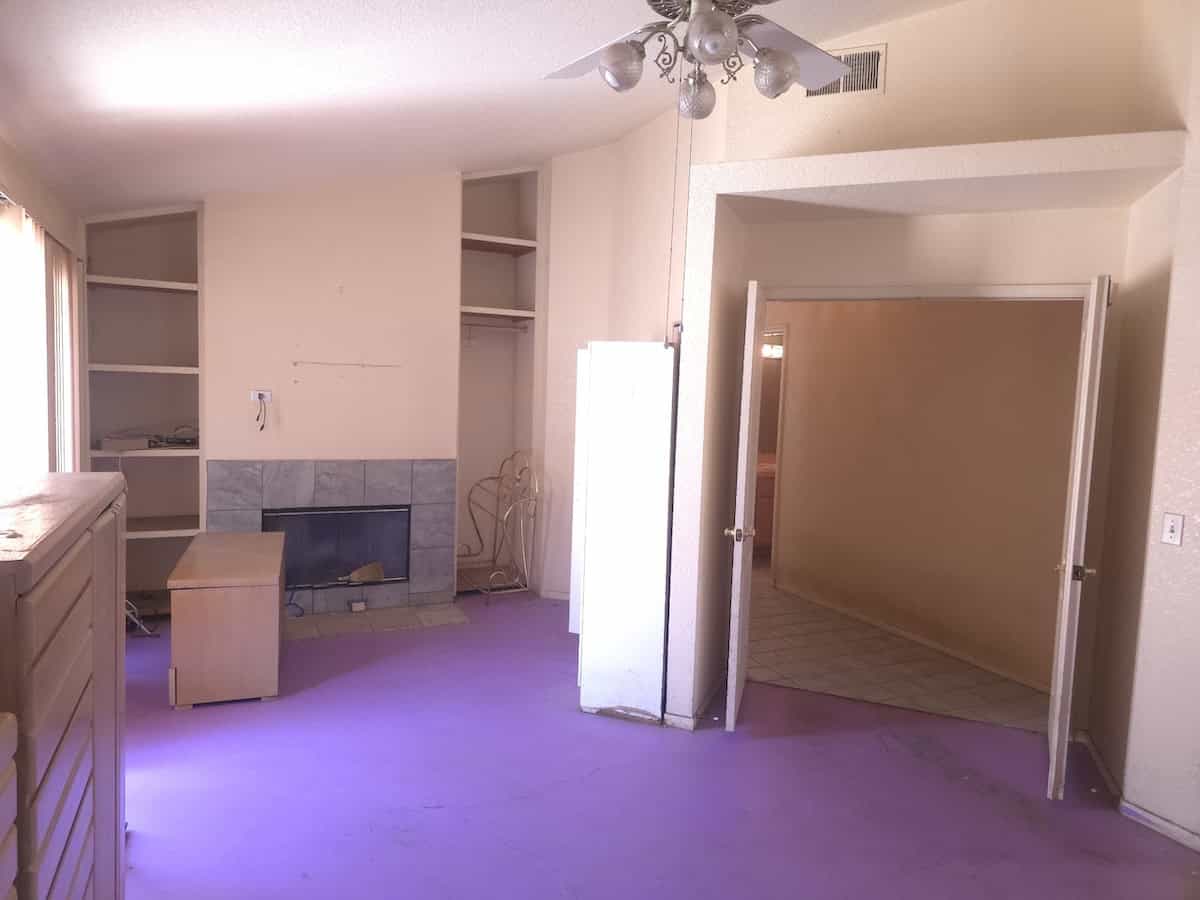
A “we buy houses” company purchases homes directly from owners for cash — no agents, no listing, no showings, and no bank financing needed on the buyer side. That’s it. The buyer evaluates your property, makes an offer (usually within 24 hours), and closes through escrow in as little as 7–10 days, buying the home completely as-is. You’ve seen their signs on street corners and billboards, and wondered whether they’re legit: most are — but not all. This guide explains exactly how these companies work, how their offers are calculated, and how to spot the ones to avoid.
To understand what a “we buy houses” company is, it’s helpful to compare selling to one against a traditional sale with a real estate agent:
|
Traditional MLS Listing |
A “We Buy Houses” Company |
|
|
Property Condition & Repairs |
Seller pays out-of-pocket for repairs, updates, cleaning, and staging. |
Purchased 100% As-Is (zero repairs, cleaning, or prep work required). |
|
Real Estate Agent Commissions |
5%–6% of the final sale price. |
$0 (Direct sale with no real estate agent fees). |
|
Escrow & Closing Costs |
Paid by seller (typically 1%–2% of purchase price). |
100% Covered by the cash buyer. |
|
Showings & Staging |
Public open houses, stranger walkthroughs, and keeping property showing-ready. |
Zero public showings; single private walkthrough. |
|
Closing Timeline |
3–6 months (dependent on buyer loan approvals and appraisals). |
7–10 days (or pick your exact closing date). |
|
Financing & Appraisal Risk |
High risk (deals can collapse due to low appraisals or buyer loan denials). |
None (cash transaction with no bank financing required). |
|
Ongoing Holding Costs |
Seller continues paying mortgage, taxes, insurance, and utilities for months. |
$0 (Immediate relief from monthly carrying costs). |
How Do Companies That Buy Houses for Cash Make Money?
These companies are real estate investors — most focus on distressed properties, inherited homes, and houses that need too much work for the average buyer. They purchase run-down homes in any condition and then repair and restore them for resale to make their profit. That’s their business model in a nutshell: the buyer takes on the repair costs and risk, and the seller gets speed, certainty, and a clean exit.
Note: “Real estate investor” is a broad term — it covers “we buy houses” companies, but also landlords and wholesalers.
A seller taking the quick cash path gets many benefits: no showings, staging, strangers, cleanup, repairs — and no agent commissions or fees. This can take a lot of stress off their shoulders and save them a huge amount of time, personal capital, and energy. On top of these benefits, they’ll never need a bank to inspect their home, nor worry about financing delays on the buyer side, which can kill a traditional real estate sale.
On the flip side, that’s why “we buy houses” companies aren’t the right fit for every home. If your house is fully updated and move-in ready, also known as a turnkey home, a traditional listing will almost always earn you more. But if your property needs work — or your situation needs speed and certainty — a direct cash sale can be the smartest and most stress-free move.
How the “We Buy Houses” Process Works
Step 1: You Request an Offer
You contact the company by phone or through a short online form. You’ll share the property address, its condition, and your timeline. There’s no cost and no obligation at this stage.
Step 2: The Buyer Evaluates Your Home and Makes a Cash Offer
The buyer looks at recent sales of similar homes in your neighborhood and calculates the home’s market value after repairs — what investors call the after-repair value, or ARV. They then estimate the repair costs and build a cash offer from those numbers — usually within 24 hours. A trustworthy buyer will always show you the math behind their number.
Step 3: You Close Through Escrow
If you accept, you’ll sign a purchase agreement, and the sale moves into escrow with a licensed title company. The title company verifies ownership, pays off any liens from the sale proceeds, and handles the paperwork. Because there’s no lender involved, the closing timeline is short — often 7–10 days. You pick the closing date, and you collect your cash at closing.
Are “We Buy Houses” Companies Legit?
Yes — most are legitimate real estate investors. Local, family-operated companies buy houses for cash every day across Southern California, and thousands of property owners use them for fast, as-is sales.
That said, scams do exist, and it’s well worth your time to know the warning signs. Watch out for:
- Pressure to sign fast. A legitimate buyer gives you a no-obligation offer and time to decide. Scammers push you to sign on the spot.
- Upfront fees. You should never pay an application fee, processing fee, or any money before closing. Real cash buyers cover the closing costs themselves.
- No proof of funds. A serious buyer can show proof of funds — bank statements or a bank letter — verifying they have the money to close.
- Vague or verbal offers. Every real offer comes in writing with a clear purchase agreement.
- No local presence. Out-of-state operators and call centers can’t inspect your property or explain their numbers. A local cash home buyer usually knows their locality well and, more importantly, can meet with you face-to-face if you so choose.
Note: A bank letter is an official document issued by a financial institution that verifies specific details about the buyer’s account and financial standing. In simple terms, it proves that the buyer has a real account and shows how much money they have.
One more distinction worth knowing: some “we buy houses” operators are wholesalers — middlemen who put your home under contract, then sell that contract to an actual investor for a fee. Wholesaling is legal, but it means the person making you promises may not have the money to close. That’s exactly why proof of funds matters: it separates real buyers from middlemen hoping to find one.
The safest bet is a local company with a track record. Check their Google reviews, confirm they close through a licensed escrow and title company, and ask them to walk you through their offer line by line. A reliable cash home buyer won’t hesitate.
How Much Do “We Buy Houses” Companies Pay?
An honest answer: a cash offer is usually below full retail price. That’s the trade-off for speed, certainty, and a true as-is sale. But the gap is smaller than most sellers expect once you run the numbers.
Here’s the basic formula most companies use:
ARV − repair costs − the buyer’s margin = your cash offer
Buyer margin is the profit the buyer aims to earn on the house flip plus everything the resale will cost them that isn’t repairs — carrying costs while they renovate (loan interest, taxes, insurance, utilities, supplemental tax bill 2-3 months after purchase), closing costs on both their purchase and their resale, agent commissions when they sell the finished home, and a cushion for surprises (repairs usually run over expectations).
Note: A supplemental tax bill, also known as an assessment bill, usually arrives 2–3 months after closing — it covers the gap between the previous owner’s property taxes and the reassessed tax amount based on the new purchase price.
Sometimes, the buyer also has to consider price cuts, whereby the real estate agent is pushed to reduce the listing price to sell the house faster in the traditional market. This means that the speed by which a cash buyer sells their flipped house is a large factor.
For example: a home worth $500,000 after renovation, needing $60,000 in repairs, with a $150,000 buyer’s margin:
$500,000 − $60,000 − $150,000 = $290,000 cash offer
Remember, the $150,000 margin isn’t pure profit — it’s where the buyer’s carrying costs, resale commissions, closing costs, and profit all come from, with the actual profit depending on how the project goes.
Note: Across the industry, many national cash buyers rely on a standard formula known as the 70% Rule of Real Estate Investing — the investor offers roughly 70% of a property’s after-repair value, minus estimated repair costs. On a home with a $500,000 ARV and $60,000 in repairs, a strict 70% rule offer equals $290,000. Local buyers with lower overhead can often work from a higher percentage of ARV, especially when the home is in great condition — which is exactly why it pays to compare offers and ask every buyer for their math.
Now compare that to a traditional sale. On the open market, you’d pay 5–6% in realtor commissions, cover repairs and cleanup before listing, carry the mortgage payments and property taxes for months while you wait, and risk the deal collapsing over a low appraisal or a buyer’s loan denial. When you subtract all of that from the retail price, your real net from a traditional sale often lands much closer to the cash offer than the attractive sticker price suggests.
The right move depends on your home’s condition, your timeline, and how much equity you have. A reliable and trustworthy buyer will show you both sets of numbers so you can decide for yourself.
Pros and Cons of Selling to a “We Buy Houses” Company
The Pros
- Sell as-is — no repairs, no cleaning, no clean-out
- Close in as little as 7–10 days, or on your schedule
- No realtor commissions, fees, or closing costs
- No showings, open houses, or strangers in your home
- No financing delays or appraisal contingencies that can tank a traditional sale
- A guaranteed sale with one buyer and one closing date
The Cons
- The offer is below full retail market value
- Turnkey, move-in ready homes earn more through a traditional listing
- Scam companies exist, so you have to vet your buyer
When Does Selling to a Cash Home Buyer Make Sense?
A direct cash sale is often the best path when you want speed or your house isn’t in great condition. Homeowners across Southern California sell to cash buyers when they’re facing foreclosure and need to close before the auction date, when they’ve inherited a house they don’t want to repair or manage, or when the property has fire, water, mold, or foundation damage that scares off traditional buyers.
It’s also a clean exit for tired landlords with problem tenants, couples splitting assets in a divorce, and owners relocating out of state on a tight schedule. The same goes for homes with property liens or code violations that make a traditional sale nearly impossible.
In each of these situations, the value of a fast, certain, as-is sale often outweighs maximizing your sale profit at retail price.
FAQs
Get a Fair Cash Offer from SoCal’s Trusted Local Home Buyer
Exclusive SoCal Home Buyers is a local, family-operated cash home buyer — three brothers who’ve served Southern California homeowners since 2017. We buy houses in any condition, cover all closing costs, and show you exactly how we build our offer. Request your free, no-obligation cash offer within 24 hours.